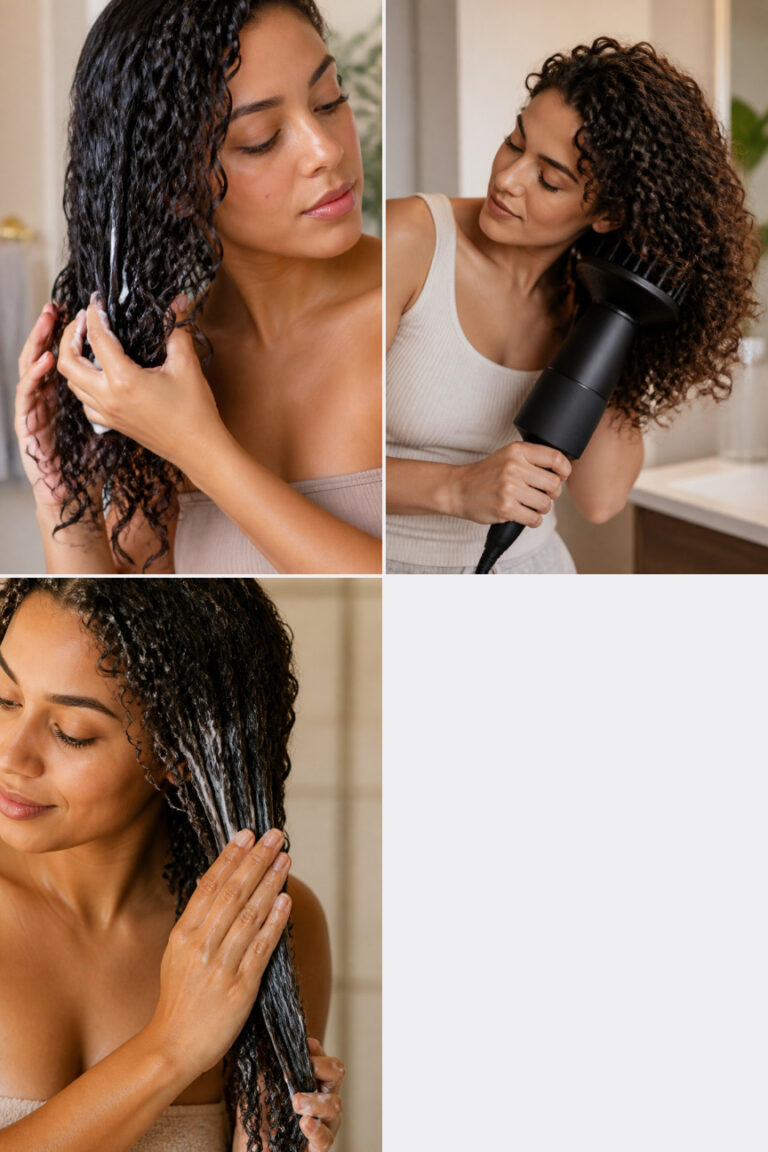

Dry hair needs steady, gentle care rather than a complicated collection of products. A weekly routine can restore moisture, reduce breakage, and leave your strands softer and easier to manage. Follow these simple steps and adjust them to suit your hair’s texture, thickness, and needs.
Start the Week with a Gentle Scalp and Hair Check
Before washing, look and feel your hair from root to tip. Notice dry ends, tangles, buildup, or a tight, uncomfortable scalp so you can choose the right level of cleansing and conditioning.
Use your fingertips to massage your scalp for a few minutes without scratching. This loosens surface buildup and helps you prepare your hair for wash day.
Pre-Shampoo Dry Ends with a Light Oil Treatment

Apply a small amount of lightweight oil or a moisturizing pre-shampoo treatment to your mid-lengths and ends. Let it sit for 15 to 30 minutes while you cover your hair with a soft towel or shower cap.
This step helps reduce the drying effect of shampoo and makes fragile ends feel more flexible. Use only enough product to lightly coat the hair, especially if your strands are fine.
Wash with Moisture-Friendly Products
Cleanse your scalp with a gentle, sulfate-free shampoo and let the lather run through your lengths as you rinse. Focus your fingertips at the roots, where oil and product buildup collect, instead of rubbing the ends.
Use lukewarm water rather than hot water, which can leave dry hair feeling rough. If your scalp feels clean after one wash, avoid shampooing twice.
Deep Condition for Lasting Softness
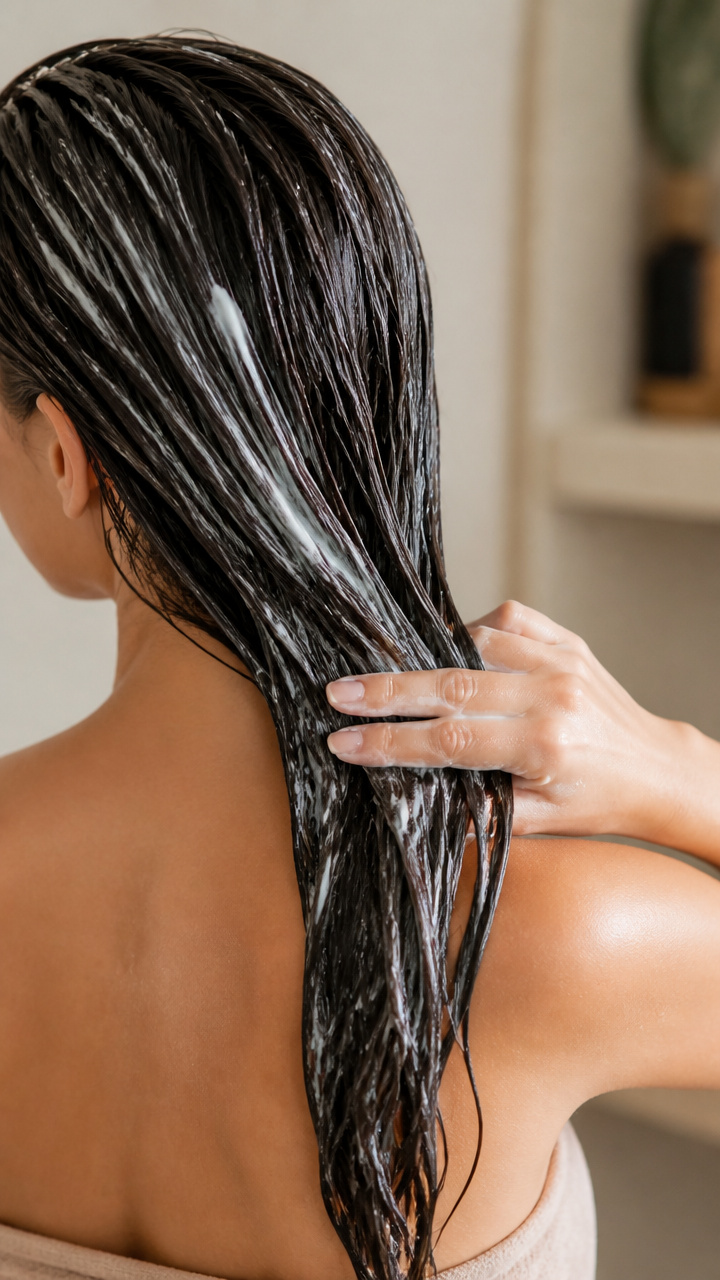
After shampooing, squeeze out excess water and apply a rich conditioner or deep-conditioning mask from the mid-lengths to the ends. Smooth the product through small sections with your fingers to help every strand receive even coverage.
Leave the treatment on for the time recommended on the label, then rinse thoroughly with cool or lukewarm water. Choose a moisturizing formula most weeks, and use a protein treatment occasionally if your hair feels weak or overly stretchy.
Detangle Slowly from Ends to Roots
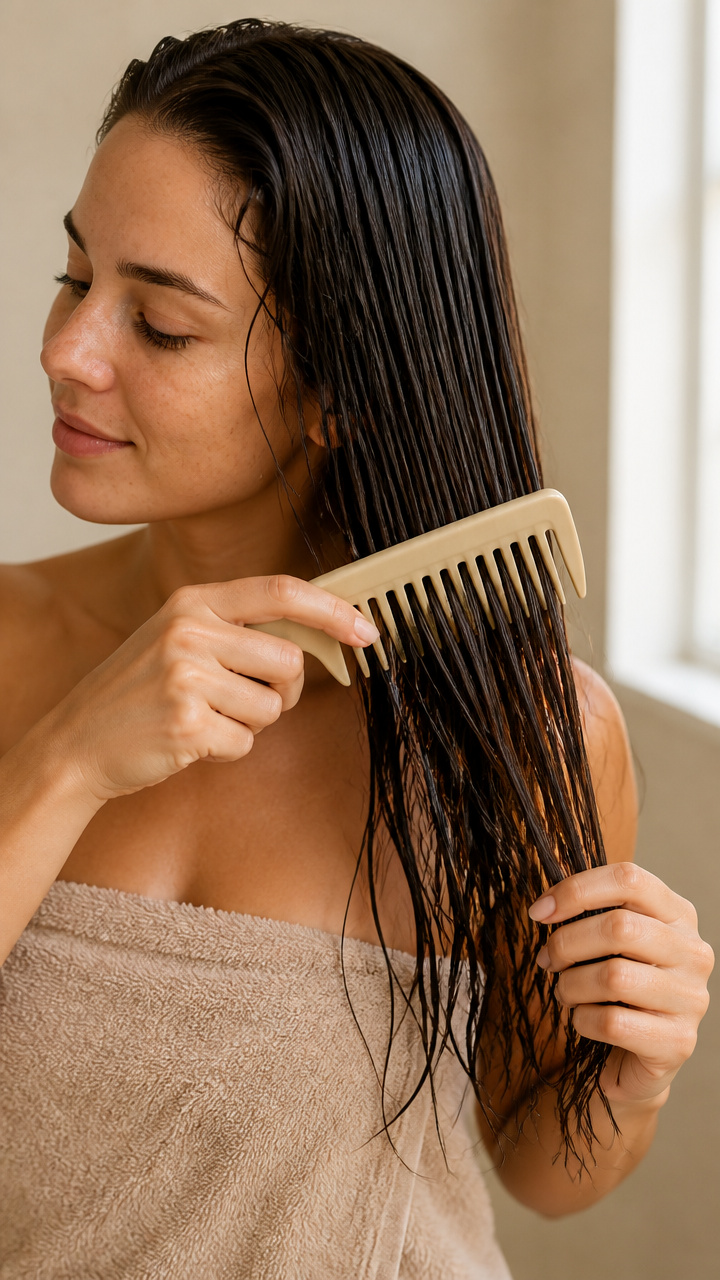
Detangle while your hair still has conditioner in it, using your fingers or a wide-tooth comb. Divide thick hair into manageable sections and begin at the ends, working upward toward the roots.
Hold each section near the root to reduce pulling on the scalp. If a knot resists, add more conditioner instead of forcing the comb through it.
Dry and Style Without Removing Moisture

Press your hair gently with a microfiber towel or soft cotton T-shirt instead of rubbing it. Apply a leave-in conditioner while your hair remains damp, then add a small amount of cream or serum to seal in softness.
Let your hair air-dry when possible, or use a blow dryer on low heat with a diffuser. Always apply heat protectant before using hot tools, and keep high temperatures away from already fragile ends.
Refresh Dry Hair Between Washes
During the week, refresh your hair with a little water and leave-in conditioner rather than layering on heavy products. Smooth a drop of oil over the ends when they look dull or feel rough.
Avoid brushing dry hair repeatedly, especially if it tangles easily. Use a wide-tooth comb or your fingers to reshape and arrange your style with less friction.
Protect Your Hair While You Sleep

Gather your hair loosely with a satin scrunchie or place it in a relaxed braid before bed. A satin or silk pillowcase can also reduce friction and help your hair hold onto moisture.
Never tie dry hair tightly at the same spot every night, since repeated tension can cause breakage. Give your scalp and roots room to move comfortably.
Adjust the Routine When Your Hair Changes
If your hair feels coated, limp, or greasy, reduce heavy products and use a gentle clarifying wash occasionally. If it still feels brittle after conditioning, trim damaged ends and consider adding more leave-in moisture or a balanced protein treatment.
Pay attention to scalp irritation, persistent flaking, or sudden hair loss, and seek advice from a qualified professional when needed. A good routine should make your hair feel comfortable, supple, and manageable.
A consistent weekly routine can help dry hair look healthier and feel softer without overwhelming it. Cleanse gently, condition deeply, handle your strands carefully, and protect them from friction and heat.