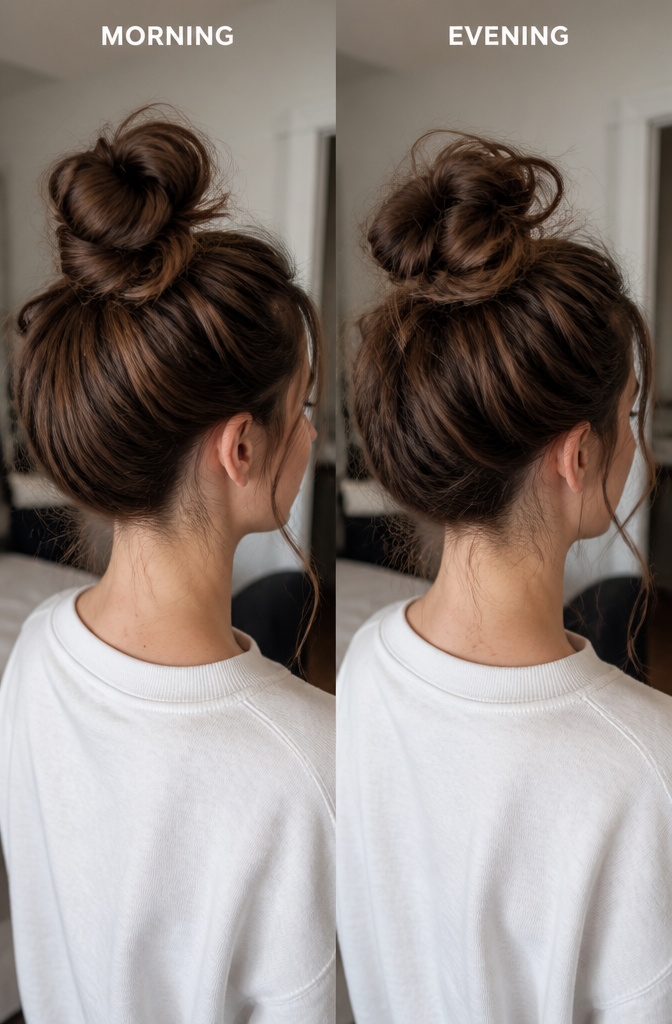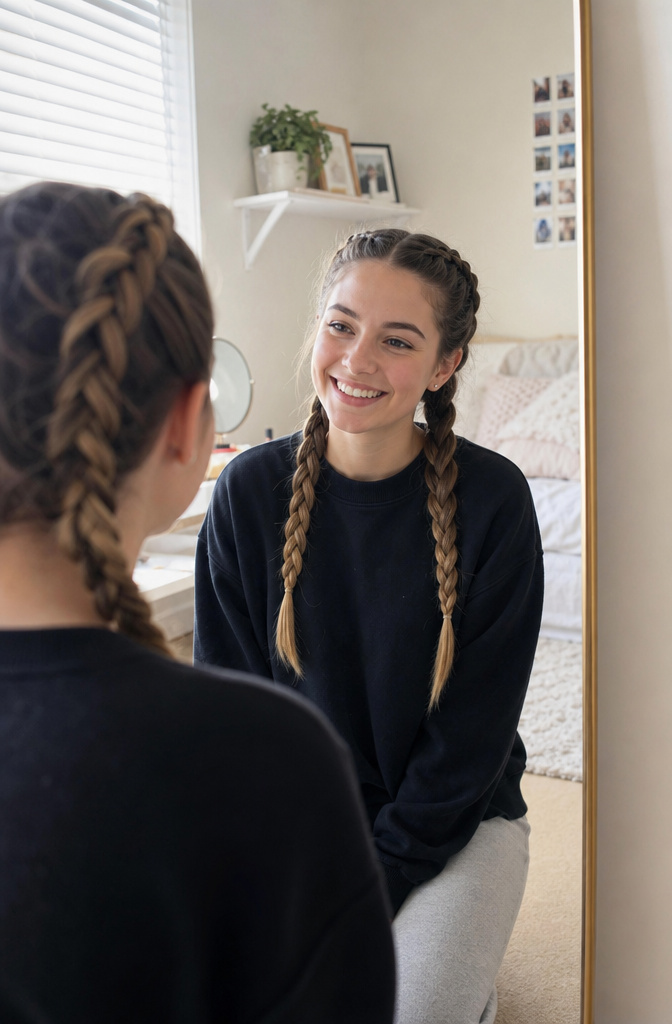

I gave up my curling wand about a year ago, not for any dramatic reason, just because I was tired of my ends looking fried every few months.
The tricky part was finding something that gave me the same loose, undone wave without standing in front of a mirror for twenty minutes every morning.
Turns out the answer was doing the work the night before, while I was asleep and not thinking about my hair at all.
Heatless waves aren’t a new idea, but most people get inconsistent results because they skip one or two small details that actually matter. Here’s the method that finally worked for me, plus a few variations depending on your hair type.
Damp Hair Is Non-Negotiable
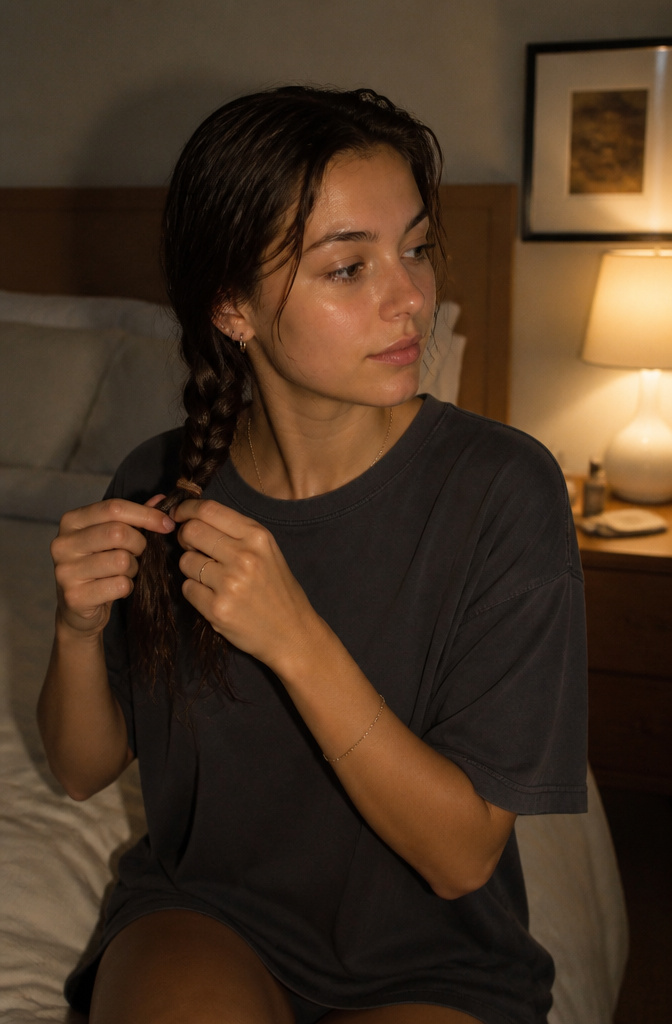
This is the step that makes or breaks the whole thing. Hair that’s soaking wet takes too long to dry overnight and can end up smelling musty or feeling matted by morning. Hair that’s already fully dry won’t hold a new shape at all, it just falls straight back out.
You want your hair somewhere around 70 to 80 percent dry, damp enough to shape but not dripping. If you’re styling right after a shower, let it air dry for a bit or go over it lightly with a towel first. If you’re starting from dry hair, mist it with water until it feels slightly damp throughout.
Detangle and Prep Before You Start
Run a wide-tooth comb or brush through your hair first to get rid of any knots. Tangled hair sets unevenly and is more likely to snag or break while you’re shaping it. Once it’s smooth, work through a leave-in conditioner or light styling cream to add some hold and cut down on frizz from moving around in your sleep. If your hair is fine, a texturizing spray does the same job without weighing it down.
The Overnight Braid Method
This is the easiest place to start, and it’s the one I still use most weeks.
- Part your damp hair down the middle.
- Split it into two sections, one on each side.
- Braid each side loosely, a tight braid gives you a crimped look instead of a soft wave.
- Secure the ends with a soft hair tie.
- Go to sleep.
In the morning, undo both braids and run your fingers through the hair instead of a brush, a brush will pull the wave pattern apart. For looser, bigger waves, use one single braid instead of two.
The Sock Bun Method
If you want bigger, bouncier waves rather than a defined crimp, this one works well, especially on longer hair.
Take an old sock, cut off the toe, and roll it into a donut shape. Gather your damp hair into a loose, high ponytail, then slide the sock down over the ponytail to the base. Spread your hair evenly around the sock and start wrapping and twisting the length around it, tucking the ends underneath as you go. Pin it in place if it feels like it might slip. In the morning, unwind it slowly and separate the curls with your fingers.
Heatless Rollers, for the Most Even Result
Foam or velcro rollers give you the most consistent wave from root to end, which makes them a good option if you want something closer to a salon blowout look rather than a beachy, undone texture.
Take one to two inch sections, apply a small amount of mousse or texturizing spray, and wrap the section around the roller starting from the ends and rolling up toward the root. Secure it close to the scalp and repeat around your head. Leave the rollers in overnight, then unroll gently in the morning and loosen the curls with your fingers rather than a comb.
For a more natural, less uniform finish, vary your roller sizes and alternate which direction you wrap each section. Wrapping everything the same way is what makes heatless curls look like a wig instead of your actual hair.
The Headband Method, Good for Fine Hair
This one has had a moment on social media for a reason, it adds volume at the same time as wave, which is exactly what fine hair usually needs.
Apply a volume-boosting spray to damp hair and comb it through. Place a soft, stretchy headband around your head like a hairband, sitting at your hairline. Starting at the front, take small sections of hair and wrap them around the headband, working your way around your head until every section is tucked in. Sleep in it, then unwrap each section in the morning and shake the waves loose with your fingers.
What to Use Based on Your Hair Type
Fine hair does best with the headband method or small rollers, since both add lift at the root instead of just weighing the hair down further. Skip heavy creams and stick to a light mousse or texturizing spray.
Thick or long hair holds shape well with the sock bun or a single loose braid, since there’s enough hair to create real volume without extra product. A leave-in conditioner helps manage the length overnight.
Naturally wavy hair usually just needs a loose braid or two to enhance what’s already there. You don’t need much product, a light cream is usually enough to keep frizz down.
Curly or coily hair often won’t hold this kind of loose wave from fully heatless methods alone, since the curl pattern wants to spring back to its own shape. A twist-out using small, damp sections tends to give a more reliable result than braids or rollers for this texture.
Sleep On It the Right Way
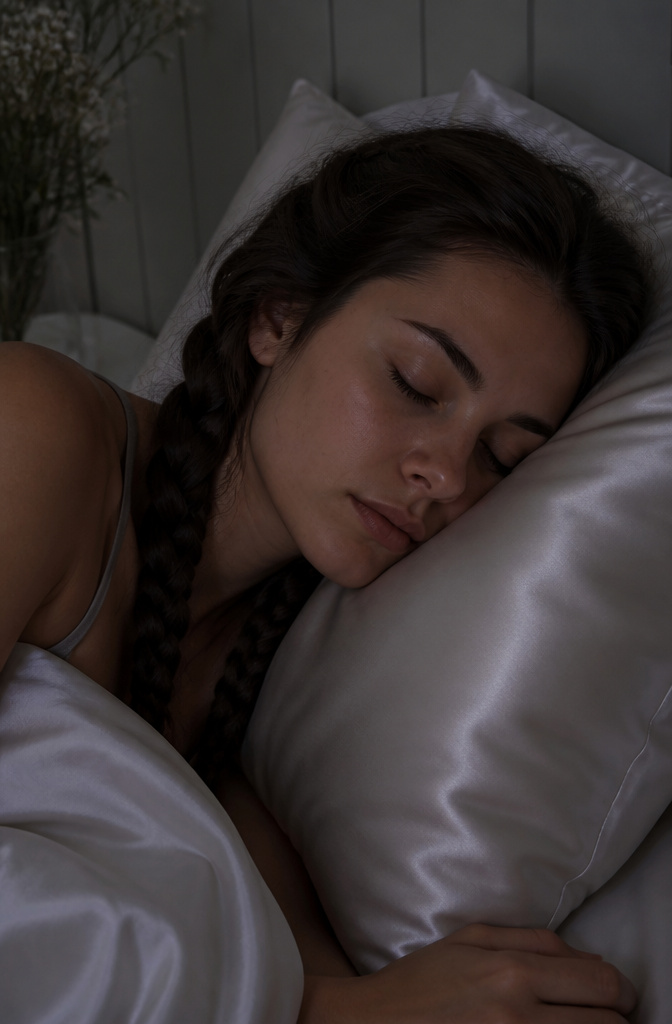
Whatever method you use, a satin or silk pillowcase makes a real difference by morning. Cotton pulls moisture out of your hair and creates friction overnight, which leads to frizz and flattened waves before you’ve even taken anything out. If you’re a restless sleeper, add a couple of bobby pins to keep your braids, buns, or rollers from working themselves loose during the night.
Reviving the Waves the Next Day
If your waves have softened or you want to wear them a second day, you don’t need to start over. A light mist of leave-in conditioner or water can help reset the shape. Twist a few sections around your finger where the wave has dropped, or re-braid just the front pieces for a few minutes to bring back some definition.
My Usual Routine
Most nights, I go with a single loose braid on damp hair after working through a bit of leave-in cream, then sleep on a silk pillowcase so I’m not fighting frizz by morning.
On nights I want something with more volume, I switch to the sock bun. Either way, it’s maybe five minutes of actual effort before bed, and I wake up with the kind of wave that used to take me twenty minutes and a hot tool to fake.